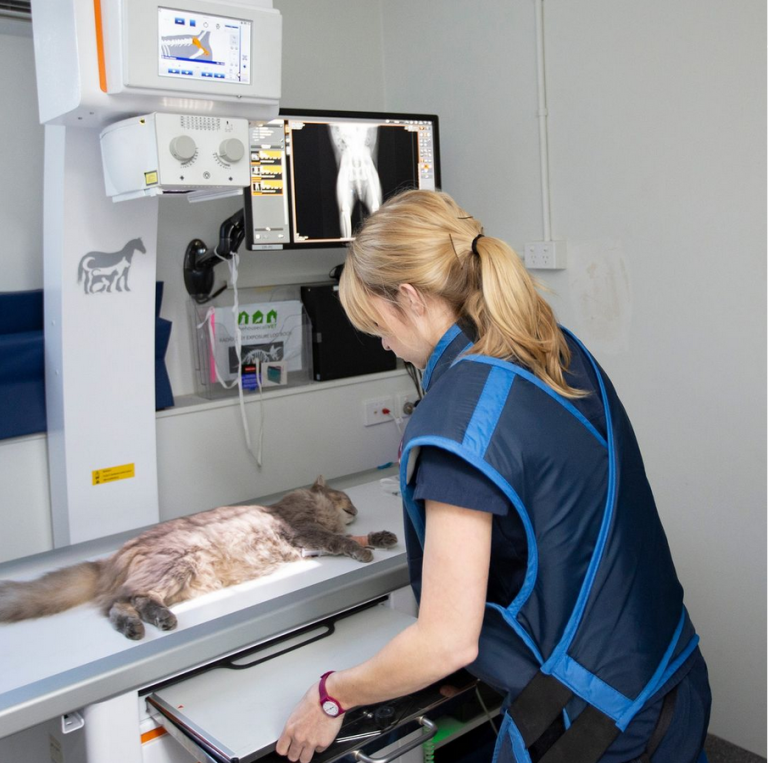

Radiology & Cat X-Ray
Keep your feline friend happy and healthy with reliable diagnostic imaging and x-rays, with Brisbane's finest vets professionals
Advanced Diagnostic Imaging For Cats & Kittens
Getting The Best Care For Your Feline
As pet owners, we know how worrying it can be when something feels off but isn’t obvious. That’s why regular checkups, diagnostics and X-rays, are so important for keeping your furry friend healthy and happy.
Our caring team combines gentle, cat-friendly handling with X-ray and diagnostic imaging technology. Whether it’s part of a routine wellness check or investigating a health concern, we make sure your cat gets accurate, timely care in a calm and stress-free environment.
- Advanced digital feline x-ray technology for clearer images and faster diagnosis
- Experienced veterinary team skilled in feline radiography and gentle handling techniques
About Feline X-Rays & Diagnostics
The Benefits of Diagnostic Imaging
X-rays, also known as radiographs, are an important part of veterinary care. These non-invasive images give our veterinarians a clear look at your cat’s internal structures (bones, internal organs, and soft tissues) without the need for surgery.
Cats are experts at hiding discomfort, and often, they won’t show signs of illness until something serious is going on. That’s why X-rays can be so valuable, helping us catch health problems early, when treatment is easier and more effective.
- Catch problems early by identifying health issues before they become serious
- Non-invasive and gentle so no surgery is needed
- Accurate diagnosis to spot bone fractures, joint concerns, or dental issues
- Detect hidden issues like foreign objects to tumours or organ problems
- Monitor progress and keep track of ongoing conditions and treatment results
- Set a health baseline to help us compare and track your cat’s health over time
- Can help identify the cause vomiting, diarrhea, and difficulty breathing
Using the latest digital radiography technology, we capture clear, detailed images that guide us in giving your cat the best care possible. And through it all, we make sure your feline companion feels safe, calm, and cared for, because their comfort matters as much as their health.
Testimonials
What Our Clients Have To Say!
Cat X-Ray & Radiology in Brisbane
Does Your Cat Need An X-Ray?
Sometimes, figuring out what’s going on with your cat isn’t easy, especially without an X-ray. At The House Call Vet, our radiology technicians use advanced X-ray technology to get a clear look at your cat’s internal structures, helping us identify potential health issues quickly and accurately. X-rays can be vital for diagnosing a wide range of conditions, including:
Fractures and breaks
Even fractures that aren’t visible externally can be detected through X-rays. Early diagnosis allows us to develop the most effective treatment plan and reduce pain for your cat.
Hip Dysplasia
When the leg’s ball-and-socket joint doesn’t develop properly, it can cause wear and tear over time, eventually affecting mobility. X-rays help us identify hip dysplasia early and plan appropriate care.
Arthritis
Radiographs can reveal joint changes caused by arthritis, enabling us to implement pain management and mobility support early.
Heart disease
X-rays are invaluable for assessing heart size, shape, and potential fluid around the heart, helping diagnose congenital or acquired cardiac conditions.
Asthma and bronchitis
Radiographs allow us to examine lung patterns, detect inflammation, and develop targeted treatment plans for respiratory conditions.
Pneumonia
Imaging helps identify infections and fluid accumulation in the lungs, ensuring prompt and effective intervention.
Foreign bodies
Curious cats sometimes swallow items they shouldn’t. X-rays can identify these objects and determine whether surgical removal is necessary.
Intestinal blockages
Obstructions in the digestive tract can become life-threatening if not treated quickly. Radiographs help locate blockages and guide urgent care.
Severe constipation
X-rays allow us to see build-ups in the colon and provide appropriate treatment before complications arise.
Bladder stones
Mineral deposits can cause urinary issues and discomfort. Radiographs help identify these stones and plan treatment.
Tumours and masses
X-rays can detect abnormal growths in the abdomen, chest, or other areas, allowing for early intervention.
Internal trauma
After accidents, injuries may not be visible externally. X-rays reveal internal damage, ensuring timely care.
Pregnancy assessment
Radiographs can confirm pregnancy in later stages and help determine litter size, ensuring safe monitoring for both mom and kittens.
What To Expect In A Cat X-Ray
About the X-Ray Process
Whether your cat needs an X-ray as part of a routine check-up or for an urgent health concern, our process is designed to be efficient, gentle, and as stress-free as possible for both you and your feline friend. With our combination of mobile veterinary care and fully-equipped clinics, we can provide high-quality diagnostics and imaging in the way that best suits your cat’s needs.
Initial Consultation
We start with a detailed medical history and a thorough physical examination. This helps us determine if an X-ray is necessary and which views will be most helpful for an accurate diagnosis.
Preparation
Most X-rays require minimal preparation. For some areas, such as the abdomen, we may recommend withholding food for a few hours before the appointment to ensure clear images.
Positioning
Our skilled team gently positions your cat on the imaging table, using specialised aids to keep them comfortable and still. This ensures the clearest possible images while keeping your cat calm.
Sedation Considerations
While many cats can stay awake during X-rays, some may benefit from mild sedation, particularly if they are in pain, anxious, or require complex positioning. If sedation is needed, we’ll discuss it with you beforehand, explaining the process, benefits, and any potential risks.
Image Capture
The X-ray itself takes just seconds. Using our advanced digital x-ray machine and radiography system, we capture high-quality images immediately, allowing us to assess them on the spot.
Diagnosis and Treatment Planning
Once the X-rays are complete, our veterinarian reviews the images and discusses the findings with you. We explain what the radiographs reveal and recommend the best treatment options or any additional tests if needed.
Follow-Up Care
Every cat is different. Based on the diagnosis, we’ll create a tailored treatment plan and schedule follow-up appointments as necessary. For cats who received sedation, we provide clear aftercare instructions to ensure a smooth recovery.
At The House Call Vet, we understand that vet visits can feel daunting, especially during emergencies or when your cat is unwell. That’s why we prioritise gentle handling, clear communication, and a calm, reassuring environment throughout the entire X-ray process.
To learn more about our radiology service, get in touch with us today!
Learn More About Cat X-rays
Frequently Asked Questions
Got a question? Reach out to The House Call Vet today, we’re here to help and happy to guide you through everything your cat needs.
Are X-Rays Safe for My Cat?
Yes! Modern digital X-rays use minimal radiation and are completely safe for cats. The benefits of accurate diagnosis far outweigh any minimal risk. Our veterinary team takes every precaution to ensure your cat is safe and comfortable throughout the procedure.
What can Cat X-rays help diagnose?
X-rays are an invaluable diagnostic tool that can help detect a wide range of health issues, including:
- Broken bones and fractures
- Bladder stones
- Swallowed foreign objects
- Tumours and abnormal growths
- Enlarged organs
- Heart and lung conditions
- Arthritis and joint problems
- Intestinal blockages
- Pregnancy assessment, including litter size and preparation for potential C-sections
Will My Cat Need to Be Sedated?
Not always. Many cats can have X-rays taken while awake if they are calm, comfortable, and not in pain. Sedation may be necessary if your cat is anxious, in pain, or requires specific positioning to get clear images. Our veterinarians will discuss this with you beforehand to ensure your cat’s comfort and safety.
How Long Does a Cat X-Ray Appointment Take?
A typical appointment takes around 30–45 minutes, which includes consultation and imaging. If sedation is required, additional time is needed for the sedation to take effect and for recovery afterward.
How Can I Prepare My Cat for an X-Ray?
No special preparation is needed. We will examine your cat first and determine if diagnostic imaging is necessary. Our team will guide you through every step to make the process as stress-free as possible.
How Much Does a Cat X-Ray Cost?
The cost depends on several factors, including the number of images needed, whether sedation is required, and if the service is performed in-clinic or as part of our house call service. We provide a clear estimate before proceeding so there are no surprises.
Can Cat Diagnostics Be Done at Home?
Yes! Our mobile house call service allows us to perform check-ups and diagnostics in the comfort of their own home. This is especially helpful for cats who become stressed during travel. Contact us to discuss whether a mobile check-up is suitable for your cat.
The House Call Vet Blog
Keep Up To Date & Learn About Your Pet

Heatstroke In Dogs: How To Spot The Symptoms
Australian summers are beautiful, but they can also be brutal. When the temperature climbs past 30 degrees, we feel it! And our pups feel it

What Are Dog Hot Spots: A Vet’s Guide to Spotting and Stopping the Itch
Answering those critical questions! Discover warning signs that demand immediate attention and understand what to expect during check-ups.

Pet Lizard Vet Visits: What Every Owner Needs to Know (2025)
Answering those critical questions! Discover warning signs that demand immediate attention and understand what to expect during check-ups.